



Go to Section
Share on


The opening weeks of a web design project bring energy and possibility. This is also when timelines and outcomes are most vulnerable. Common patterns appear frequently. Unclear goals. Assumptions about users. Late content planning. Hidden technical constraints. Unstructured feedback. A belief that launch is the finish line.
A partnership with a Toronto based web design agency adds local market context and audience insight that strengthen early decisions. This approach suits organizations with a local focus and those operating across multiple markets.
Set Clear and Measurable Goals Before Design Work Begins
A statement such as make the website better does not guide decision making. Without explicit outcomes, reviews focus on screens rather than results and scope expands without control.
Make it concrete
- Draft a single success statement. For example Increase qualified demo requests by 25 percent within 90 days of launch
- Select three KPIs with baselines. For example demo requests trial sign ups lead quality score
- Record a short will not do list for launch to protect scope
- Define review points at 30 60 and 90 days
Understand Users Before Shaping Structure Or Copy
Assumptions often replace evidence. Internal opinions then influence navigation and calls to action which leads to expensive course corrections.
For context on how shifting behaviors and expectations influence early decisions, consider the related piece evolving trends, emerging ideas, and essential shifts in web design which outlines market movements that inform research priorities.
Run a one week lean research sprint
- Create an analytics baseline. Top pages device mix conversion paths
- Conduct five short user interviews or review support calls
- Field a brief top task survey to learn what visitors come to do
- Document three priority audiences and the top five tasks for each group
- Capture five verbatim quotes to anchor tone and content
Treat Content as a First Class Deliverable
When layouts begin without a content plan, schedules slip, rework increases, and messaging weakens. The most effective work pairs content and design from the start. A helpful companion piece is the recipe of good design which explores how structure message and clarity reinforce each other.
Build the foundation
- Assemble a page table with URL purpose primary call to action status owner and due date
- Draft a messaging hierarchy for key pages. Value proposition to proof to call to action
- Create a call to action map with primary and secondary actions for each page
- Agree tone and voice guardrails. Three is and is not bullets work well
- Confirm owners and dates before wireframes
Surface Technical and Integration Constraints Early
Modern sites depend on connected systems. Examples include CRM marketing automation payments single sign on analytics and customer data platforms. If constraints surface during build, redesigns follow. Selecting the right layout strategy also matters for performance and integrations. For a deeper comparison see responsive, adaptive, or fluid choosing the right web design approach.
Map the ecosystem
- Produce a one page integration diagram covering systems data flows authentication model rate limits and service levels
- Confirm non negotiables such as CRM field requirements tagging taxonomies and consent needs
- Define performance budgets. For example LCP under 2.5 seconds on typical 4G and under 100 KB for critical CSS and JavaScript
- Set the accessibility target such as WCAG 2.2 AA and document the privacy posture
- Decide hosting environments and deployment workflow during discovery
Make Decisions and Feedback Governable
Unstructured feedback without clear ownership often multiplies review cycles creates conflicting directions and reduces the overall quality of outcomes.
Give collaboration a clear structure
- Name one final approver for each milestone
- Limit to two feedback rounds per milestone with a 48 hour service level for responses
- Use a simple RACI for each phase. Discovery information architecture wireframes visual design build
- Require action oriented comments. Change X because Y and success looks like Z
- Maintain a decision log to prevent reopening closed items
Plan for Optimization Before Launch
Launch is not the end of the work. Without a cadence for measurement and iteration, performance declines over time.
Bake in improvement
- Prepare a 90 day optimization backlog. Three to five experiments content gaps and user experience fixes
- Stand up a KPI dashboard with named owners
- Schedule fortnightly performance reviews and retrospectives at 30 60 and 90 days
- Define maintenance tasks. Uptime patching dependency updates and content cadence
The Role of the Web Design Team
Effective teams do more than accept a brief. They facilitate alignment workshops validate user assumptions stress test integrations set performance and accessibility bars and provide structured review processes. Lack of rigorous questions in the first week is a clear risk signal. A capable Toronto based web design agency can facilitate these steps and adapt them to local audience expectations.
A Ninety Minute Alignment Agenda Suitable for Kickoff
This agenda provides a structured way to confirm purpose users content and constraints before any design begins. Each segment ends with a named owner and an immediate next step so progress continues after the session.
- Success and KPIs (20 min): Success statement, 3 KPIs, trade-offs.
- Users and Tasks (20 min): Audiences, top tasks, device mix, evidence.
- Content (20 min): Page table draft, messaging hierarchy, CTA map, owners.
- Tech and Constraints (20 min): Integration map, performance, accessibility, privacy.
- Governance (10 min): Final approver, rounds, SLAs, decision log.
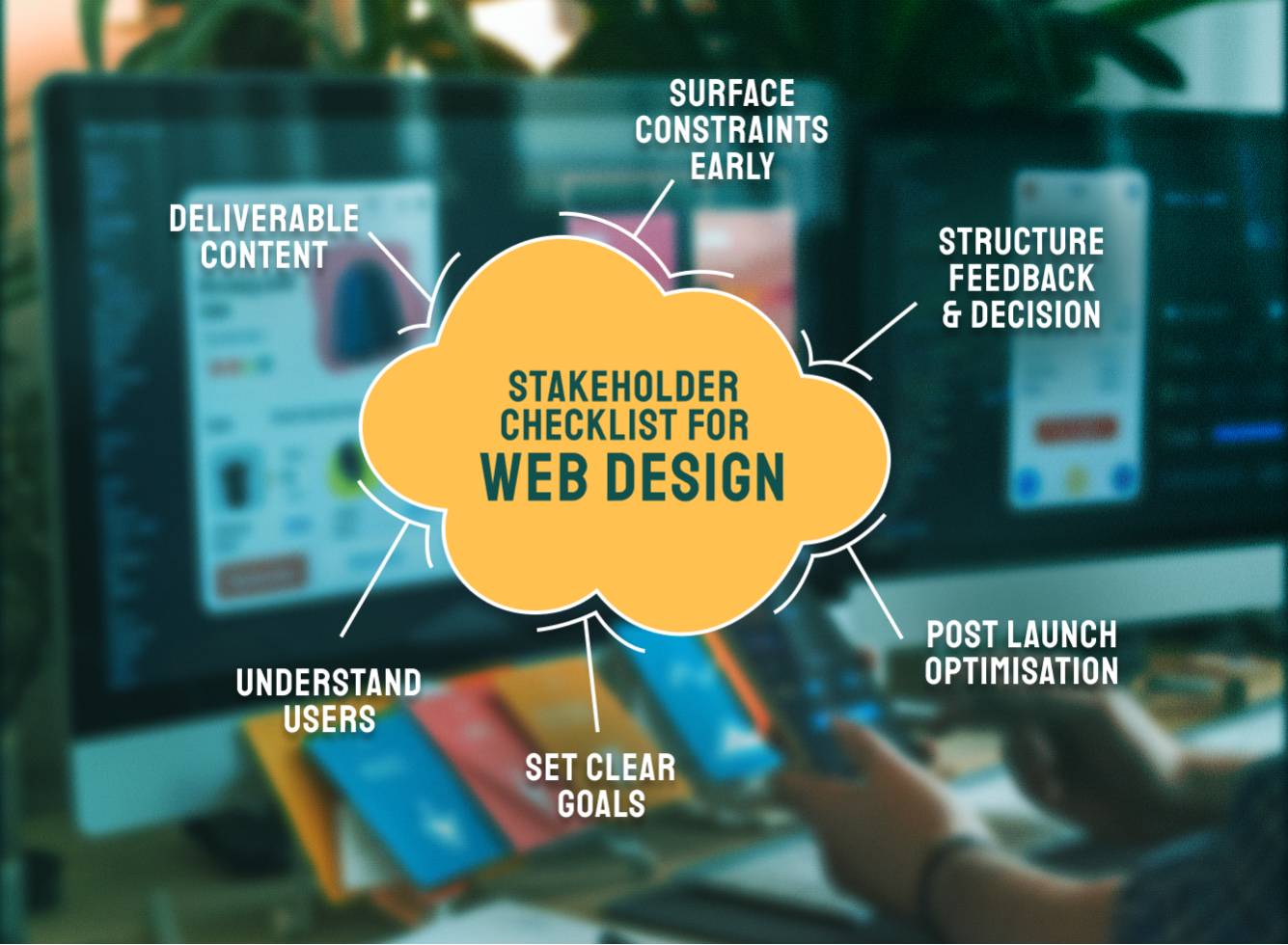
Stakeholder Readiness Checklist
The checklist below consolidates the essentials that keep scope clear and delivery predictable. Completing these items during discovery forms a reliable baseline for design and build.
- Success statement and three KPIs with baselines
- Three audiences and top five tasks for each group with key quotes
- Page table messaging hierarchy call to action map and tone guide
- Integration map performance budgets accessibility target and privacy plan
- RACI number of feedback rounds service levels and a named final approver
- Ninety day optimization backlog dashboard and review cadence
Alignment that Delivers Lasting Performance
Early alignment determines results. Naming the patterns assigning owners and codifying decisions before pixels move leads to faster delivery lower cost and a site that performs for the organization and for its users. A Toronto based web design agency can help establish this foundation and maintain momentum through discovery content planning technical scoping governance and optimization.